Minimal vs Bold Packaging: How Brands Choose Their Visual Style
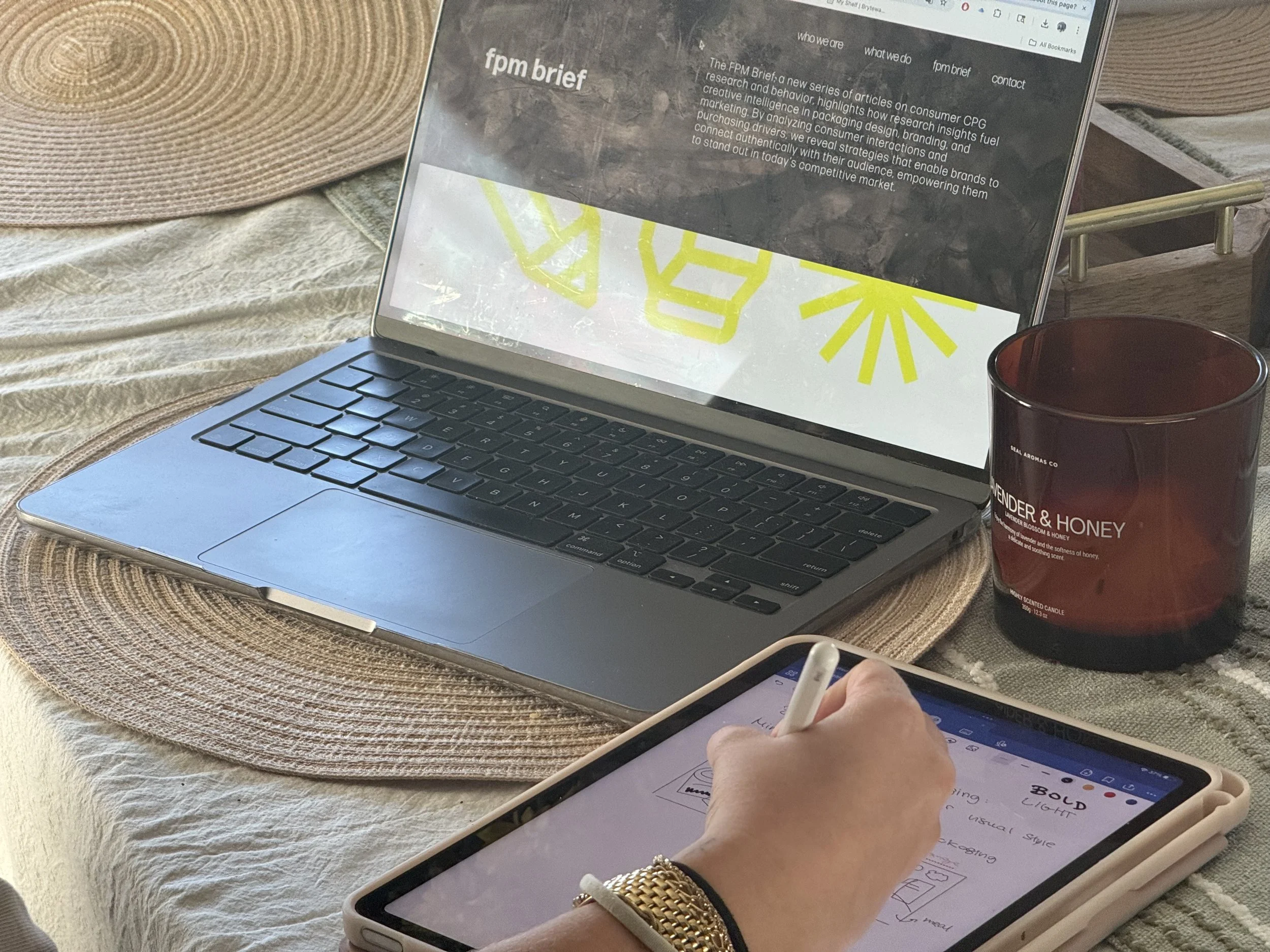
In the world of graphic design and branding, packaging frequently serves as a customer's primary interaction with a product. Before someone reads a label, compares costs, or checks reviews, they react visually. That reaction is shaped largely by a brand's decision to lean into either minimalist or bold packaging. It is crucial for designers who are interested in branding and visual identity to know the reasons behind these styles and decisions.
Packaging is not simply about aesthetics; it’s strategy. Every color, typeface, and layout choice says something about the brand’s personality, values, and target demographic. Choosing between minimal and bold design isn’t about what looks “better,” but what best serves the brand’s goals.
What is Minimalist Packaging Design?
The emphasis of minimalist packaging is on restraint, clarity, and simplicity. Neutral color schemes, limited typography, and strong intentional organization are common design elements. The goal is to cut away anything unnecessary and let the product or brand name speak for itself.
Many premium, wellness, and tech brands lean toward minimalism because it communicates sophistication, trust, and quality. Additionally, minimal packaging can feel calm and organized, which works particularly well in busy retail settings. CarePac claims that by being “quiet” in comparison to noisy competition, minimalist packaging makes items stand out and enables consumers to quickly focus on important details like ingredients or benefits.
https://www.carepac.com/blog/minimalist-vs-maximalist-packaging/
From a design standpoint, minimalism demands precision. Every component must be intentional because there’s nowhere to hide mistakes. This makes minimalist packaging both demanding and powerful.
What Is Bold Packaging Design?
The opposite strategy is used in bold or maximalist packaging. These designs use vibrant colors, expressive typography, illustrations, patterns, and layered imagery to create high energy and a powerful emotional effect. Packaging that is bold is often playful, expressive, and eye-catching.
Bold packaging is frequently used by brands aiming for younger consumers or competitive retail environments to get attention. Foerstel adds that maximalist packaging excels at storytelling, allowing brands to express personality, humor, or cultural relevance directly through visuals.
https://foerstel.com/minimalist-vs-maximalist-packaging-design/
This packaging can also help young brands establish themselves rapidly. When people are unfamiliar with a product, strong graphics can spark curiosity and promote interaction.
How Brands Decide Between Minimal and Bold
The choice between minimal and bold packaging for brands depends on several key factors:
Target Audience
Design should always reflect who the product is for. Minimalism most often appeals to consumers seeking luxury, wellness, or sustainability. Bold designs, on the other hand, resonate with consumers drawn to creativity, fun, or originality.
Brand Personality
A brand that values transparency, simplicity, and calmness will likely lean minimalist. A brand founded on originality, energy, or disruption may benefit more from bold visuals.
Product Category
In industries like skincare or IT, minimal packaging is frequently lined with credibility and cleanliness. In food, beverage, or lifestyle products, vibrant packaging can make products pop on shelves and express flavor or experience instantly.
As discussed in Lekac’s design trends report, several brands are increasingly merging both techniques. Using clean layouts mixed with bold color or typography to create balance.
https://lekac.com/design-trends/bold-minimalism-vs-maximalism
Why This Matters for Designers
For designers pursuing professions in branding, packaging, or visual identity, understanding these tactics is crucial. Customers want solutions that are in line with corporate objectives, brand voice, and consumer psychology, not just something that “looks good.”
Knowing whether to propose minimalism versus strong design displays strategic thinking. It shows that you see design as communication, not just decoration.
Final Thoughts
Minimalists and bold designs both serve powerful objectives when used intentionally. The most effective brands don't follow trends blindly, they adopt visual styles that reinforce who they are and who they're speaking to.
As designers, our role is to make those decisions intelligently, utilizing research, strategy, and creativity to help brands deliver the right story at first glance.