Designing Packaging That Feels Premium
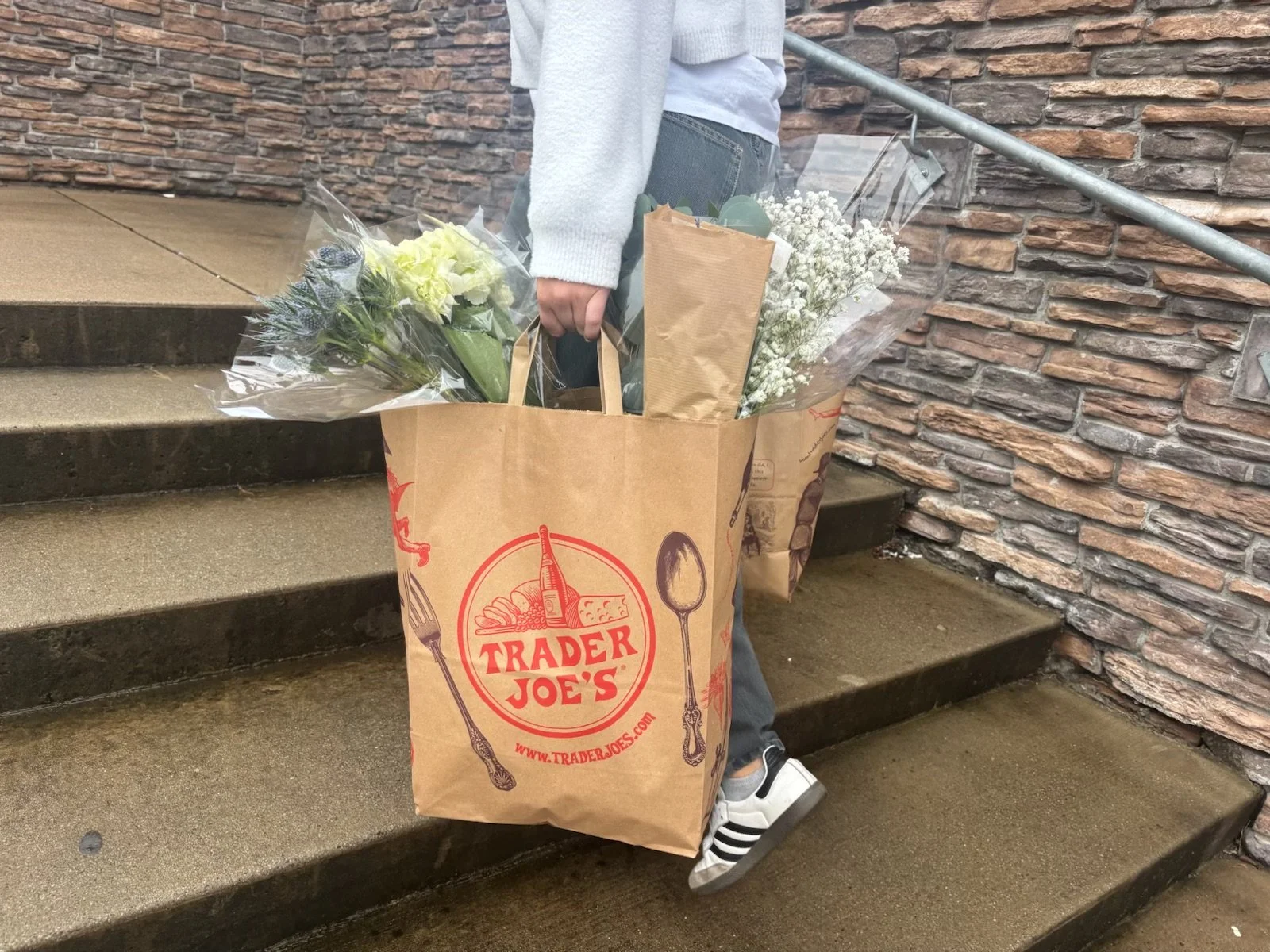
When people think of premium packaging, they usually think of expensive materials, gold foil, or super detailed designs. But honestly, that’s not what actually makes something feel premium.
Especially for people like us, college students or recent grads trying to start a business, we don’t always have the budget for luxury packaging right away. And that’s okay. Premium doesn’t have to mean expensive.
What Makes Packaging Feel Premium?
From what I’ve learned, premium packaging is more about how it feels than how much it costs.
It comes down to things like:
Restraint (not overdesigning everything)
Spacing (letting the design breathe)
Material choices
Finishes and small details
A lot of brands fail because they try to do too much. But the reality is, “fine doesn’t sell”—you need something intentional that actually stands out (Studio Stoked, 2025) .
Premium packaging is usually simple but confident. It looks like it belongs in someone’s life, not just on a shelf.
Why This Matters
As someone in college, I think this is really important. When you’re starting a business, budget is one of the biggest limitations.
Packaging can get expensive fast, and a lot of small businesses think they need high-end materials right away. But that’s not true.
There are ways to create that “luxury feel” without spending a lot:
Using standard box structures instead of custom shapes
Keeping packaging minimal in size
Choosing cost-effective materials like corrugated board
Focusing more on design than materials
Even cheaper materials can still look high-quality if used intentionally.
Also, planning helps avoid unnecessary costs and mistakes.
The Power of Simplicity
One thing I’ve noticed is that the most “premium-looking” brands are actually the simplest.
Instead of adding more:
They remove clutter
They focus on one strong design decision
They create something people might actually keep or display
A good way to think about it is:
Would someone leave this packaging on their desk or shelf?
If yes, it probably feels premium.
Studio Stoked discusses how packaging should be designed for display, not the bin—which is such a simple yet powerful idea (Studio Stoked, 2025).
Premium ≠ Expensive
This is probably the biggest takeaway.
Premium packaging isn’t about:
the most expensive material
the most complex design
or the biggest budget
It’s about:
intentional design
knowing your audience
and creating a feeling
Even brands with small budgets can create a strong first impression. And that matters, because packaging is often the first thing customers notice—and it can influence whether they buy again.
One thing I’ve started to realize is that premium packaging is also about building trust. When something looks clean, intentional, and well-thought-out, it makes people feel that the product inside is just as high-quality. As a small business or someone just starting, that first impression matters a lot because you don’t have a big brand name backing you yet. Your packaging almost acts as your “first conversation” with the customer. Even if you’re working with a limited budget, putting effort into small details—like alignment, typography, or how the box opens—can make your brand feel more established and professional without spending a lot.
Final Thought
If you’re like me, still in college, maybe thinking about starting something, don’t let packaging costs stop you.
You don’t need to go all out right away. Focus on:
clean design
strong branding
and making something that feels thoughtful
Because at the end of the day, premium isn’t about doing more.
It’s about knowing when to stop.

Hi there! I’m Cristina Torres.
I’m a graphic designer, public relations student, and content creator passionate about combining creativity with strategy. From athletics communications to branding and social media, I create work that tells a story, builds connection, and strengthens brand identity.