How Motion Graphics Brings Game Day to Life
More Than Just a Game
As both a designer and a Division I athlete, I’ve always noticed that the energy of a game doesn’t just come from what’s happening on the field; it comes from everything around it. The music, the visuals, the crowd reactions… it all works together.
But one thing that really stands out to me is motion graphics.
Whether it’s a hype video before kickoff, a player intro flashing across the screen, or a quick replay after a big moment, motion graphics are what make the experience feel alive. They take something that could be static and turn it into something emotional, loud, and impossible to ignore.
Creating an Immersive Experience
One of the biggest impacts of motion graphics is their ability to create immersion. Fans today don’t just want to watch the game; they want to feel part of it.
“Video displays create a more immersive experience by allowing fans to see replays, close-ups, and details they might otherwise miss.” (Varsity scoreboards)
Large video boards and animated visuals let fans see replays, close-ups, and dramatic slow-motion moments, making every play feel bigger. According to Varsity Scoreboards, these displays help transform the stadium into a more engaging and interactive environment where fans can experience every detail of the game.
I’ve felt this firsthand. When a huge play happens, and it instantly replays on the screen with dramatic motion and sound, the crowd reacts all over again. It’s like the moment doesn’t just happen once, it hits twice.
Turning Fans Into Participants
Motion graphics also play a huge role in crowd engagement.
Things like animated “MAKE SOME NOISE” prompts, countdowns, or hype sequences synced with music aren’t random, they’re designed to get people involved. Instead of just sitting and watching, fans become part of the experience.
From being on the field, I can honestly say you feel that difference. When the crowd is fully engaged, it changes the energy of the game. It pushes you harder, makes moments feel bigger, and creates a stronger connection between players and fans.
Telling Stories Through Motion
Another thing I love about motion graphics is how they allow teams to tell stories.
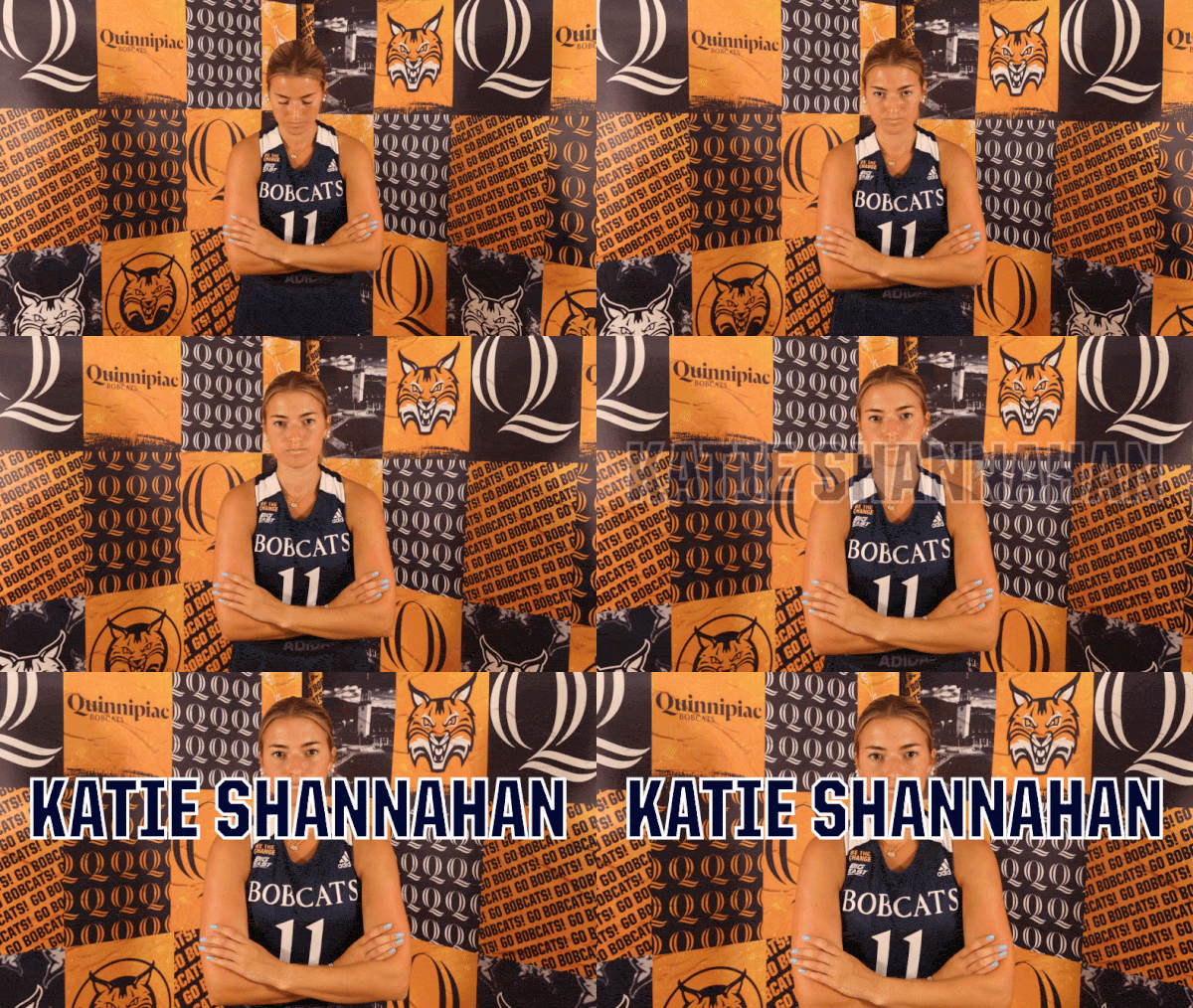
It’s not just about showing a player’s name on a screen anymore. Now, it’s about building a full introduction like highlight clips, stats, movement, and personality all combined into one visual moment.
According to Varsity Scoreboards, video displays help showcase player features and key moments in ways that deepen fan connection. I can say those moments matter. Seeing yourself, or your teammates, presented like that before a game makes everything feel more meaningful. It builds pride and motivation in a way static graphics never could.
Motion in the Digital World
This doesn’t just apply to stadiums, motion graphics are just as important on social media.
From my experience working in sports design and social media, motion is what grabs attention. It’s what stops someone from scrolling.
Short-form video content like Instagram Reels or TikToks consistently performs better because it’s quick, dynamic, and engaging. According to Paciolan, using motion-based content and formats like carousel posts allows teams to both inform and excite fans, whether promoting games, sharing highlights, or building anticipation.
I see this all the time when designing posts. Static graphics can look great, but motion adds that extra layer that makes people actually pay attention and, as a result, get more views and engagement.
As Paciolan notes,
“Short-form video and carousel content help capture attention while also informing fans about upcoming events and experiences.”
Why It Matters
At the end of the day, motion graphics add something that static design can’t: energy.
They bring emotion into sports content. They create a connection between fans and players. And they turn moments into experiences people remember.
For me, this is what makes sports design so powerful. It’s not just about making something visually appealing; it’s about creating a feeling.
Because when everything comes together, the visuals, the sound, the motion, that’s when a game truly comes to life.

Hi there! I’m Cristina Torres.
I’m a graphic designer, public relations student, and content creator passionate about combining creativity with strategy. From athletics communications to branding and social media, I create work that tells a story, builds connection, and strengthens brand identity.