How Packaging Design Influences Consumer Trust
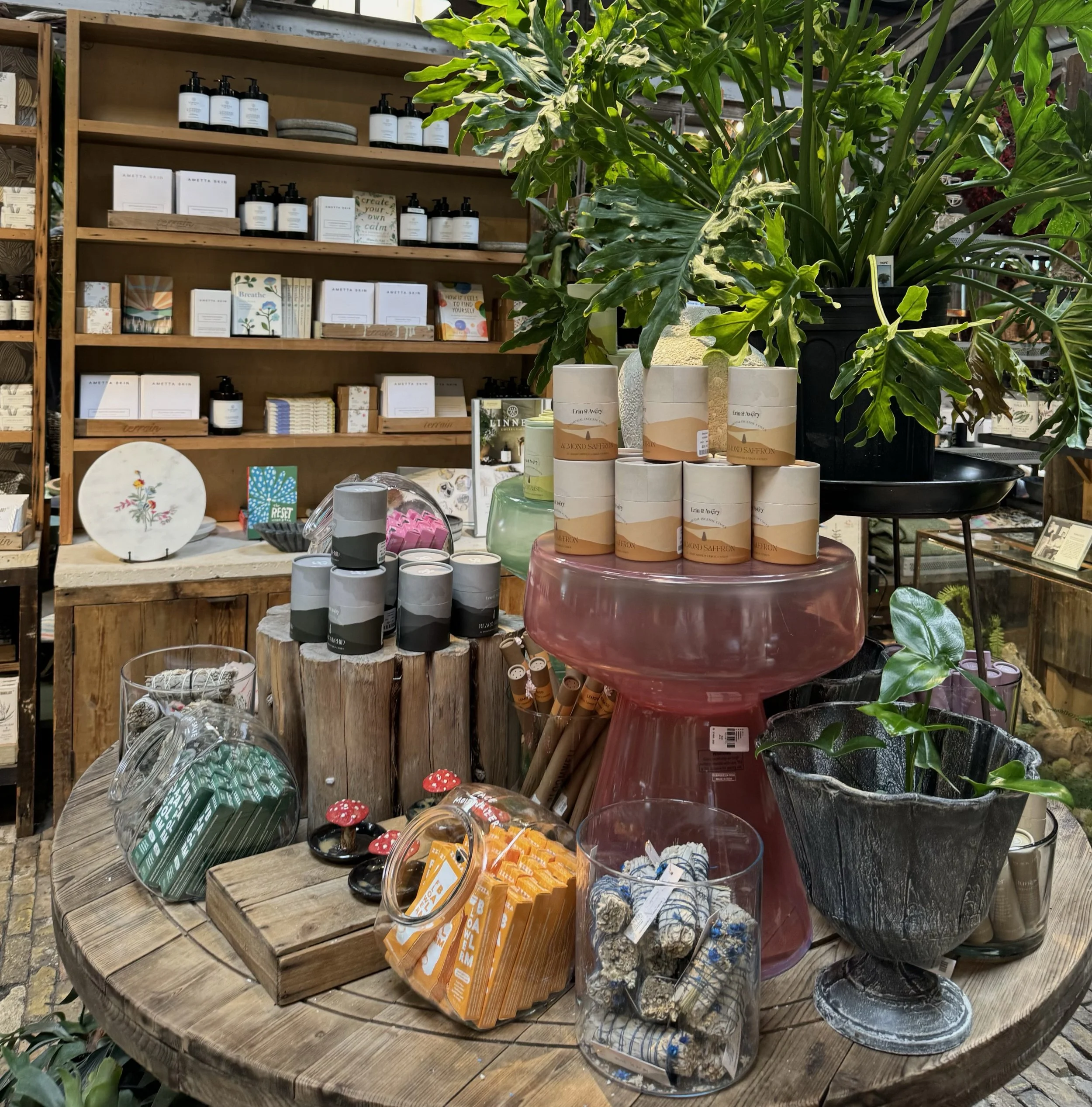
When I walk through a store, packaging is usually the first thing that catches my attention. Even if I don’t know the brand or the product, a well-designed package can make me curious enough to pick it up and look at it more closely. As someone interested in graphic design, I find myself constantly noticing how color, typography, materials, and layout influence which products stand out on the shelf.
Product packaging plays a much bigger role than people often realize. It is usually the first introduction a consumer has to a product, which means it creates the first impression of the brand. Because of this, companies carefully design packaging to attract attention and encourage people to try their products. A strong first impression through packaging can even help build long-term brand loyalty.
Personally, I’ve noticed that packaging often influences whether I decide to try something new. When I’m looking at a shelf full of similar products, the ones with the most thoughtful design are usually the ones that catch my eye first. Bright colors, clear branding, and organized layouts make products easier to understand quickly. When a design looks clean and professional, it makes me feel like the product itself will also be high quality.
Communication through design
Packaging is also important because it helps communicate information about the product. Many packages include ingredients, instructions, or other details that help consumers understand what they are buying. When the information is clearly displayed, it helps manage expectations and makes customers more confident in their purchase.
Another important factor is how packaging helps a product stand out from competitors. In stores, many similar products are placed right next to each other on the shelf. Because of this, brands rely on eye-catching design to differentiate themselves. Unique colors, shapes, or materials can immediately draw attention and make a product more memorable.
According to PT Packaging, product packaging is more than just a container; it plays a major role in how consumers perceive a brand. They explain that packaging is often the first interaction a customer has with a product and can strongly influence purchasing decisions. In fact, they state that:
“Product packaging is what initially captures the attention of consumers and can be a deciding factor in whether a product is purchased or not” (PT Packaging)
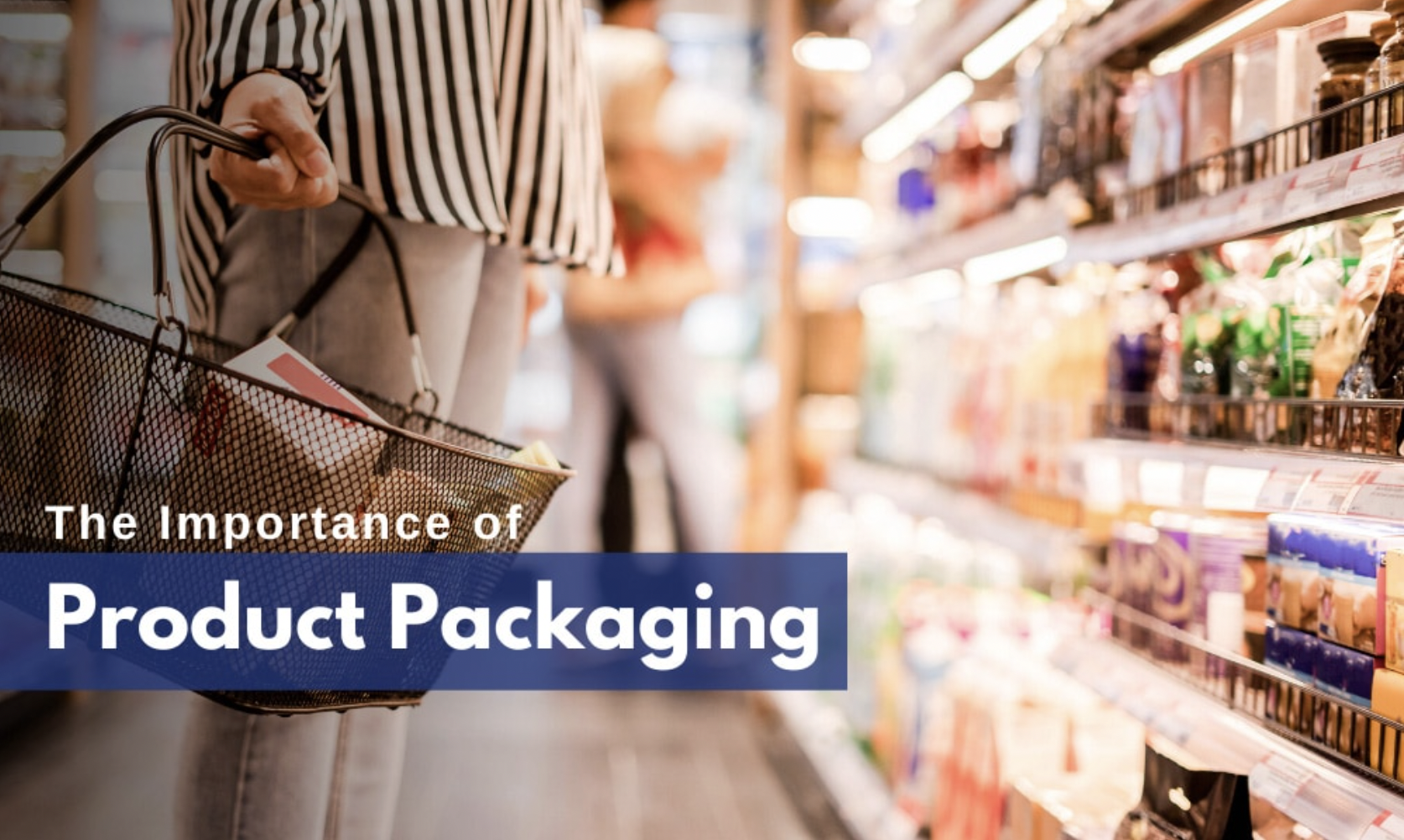
This really stood out to me because it directly reflects how I shop. I’m naturally drawn to packaging that feels intentional and visually appealing, and that first impression often determines whether I’ll try something new.
As a designer, I find it interesting how small design decisions can influence consumer trust. Things like visual hierarchy, typography, and materials can completely change how a product is perceived. Packaging that feels intentional and well-designed tends to make me trust the product more. On the other hand, packaging that looks cluttered or poorly designed can make a product seem less reliable, even if the product itself is good.
Overall, packaging design does much more than just protect the product—it communicates the brand, builds trust, and attracts consumers. For me, packaging is often the reason I pick up a product I’ve never tried before. It shows how powerful design can be, especially in the few seconds it takes for someone to scan a shelf and decide what catches their eye.
Shelf Presence
Another thing I’ve noticed is how important shelf presence is. When products are lined up next to each other, they’re all competing for attention in just a few seconds. The way a product presents on the shelf, its color, size, shape, and layout, can make it either stand out or completely blend in. I tend to gravitate toward products that are visually clear and bold from a distance, especially when the branding is easy to read right away. If something looks too cluttered or doesn’t catch my eye immediately, I usually skip over it. It really shows how packaging isn’t just about the design itself, but how it performs in a real environment surrounded by competitors.